Discover the Benefits of Aluminum Casting in Modern Manufacturing
Aluminum casting has arised as a critical process in contemporary production. Its light-weight yet durable nature offers significant advantages for various industries. The ability to achieve intricate designs and keep limited resistances includes in its allure. Aluminum Casting Company. Furthermore, the cost-effectiveness and environmental benefits make it a sustainable choice. As suppliers look for innovative options, the function of aluminum casting proceeds to advance. What details applications and advantages wait for expedition in this vibrant area?
Strong yet lightweight: The Benefits of Aluminum
Although numerous materials are utilized in manufacturing, aluminum stands apart due to its amazing combination of lightweight residential or commercial properties and outstanding toughness. This one-of-a-kind feature makes aluminum an excellent choice for numerous applications, specifically in markets such as automobile, aerospace, and building. Its low thickness permits much easier handling and transportation, adding to lowered power usage during production and setting up processes.
Furthermore, aluminum's strength-to-weight proportion is remarkable, allowing suppliers to create sturdy elements without adding unneeded bulk. This characteristic is particularly beneficial in industries where weight decrease can bring about improved fuel effectiveness and general performance. Additionally, aluminum's resistance to rust boosts the longevity of products, additionally strengthening its charm in modern-day manufacturing.
Eventually, the light-weight yet strong nature of aluminum settings it as a recommended material, promoting innovation and efficiency throughout numerous markets. Makers increasingly identify that these advantages can bring about substantial advancements in design and performance.
Precision and Complexity in Style
As suppliers accept the capacities of aluminum casting, they discover brand-new avenues for precision and complexity in design. This production procedure enables the production of intricate forms and comprehensive functions that conventional techniques frequently struggle to achieve. The fluidness of liquified aluminum enables it to fill up complicated molds, leading to components with tight resistances and fine surface finishes.
This precision is particularly advantageous in markets such as aerospace and automotive, where exact specifications are vital for performance and security. Aluminum casting also suits cutting-edge layouts that boost capability without endangering architectural honesty.

Cost-Effectiveness and Efficiency
Cost-effectiveness and effectiveness are vital considerations for suppliers checking out aluminum casting as a manufacturing method. Aluminum casting deals significant expense advantages as a result of its reduced material costs compared to various other steels (Aluminum Casting Company). The light-weight nature of aluminum lowers delivery and handling expenditures, and its excellent thermal conductivity enables quicker cooling times during the casting process, improving general production rate
Moreover, aluminum's flexibility allows manufacturers to create intricate forms and styles, lessening the requirement for extra machining or setting up. This streamlining of manufacturing not just minimizes labor costs yet additionally reduces preparations, permitting firms to react promptly to market needs.
In addition, the resilience and corrosion resistance of aluminum castings add to longer product life-spans, decreasing replacement costs over time. As an outcome, manufacturers can achieve an equilibrium of high-quality outcome and decreased functional costs, making aluminum casting a significantly appealing alternative in modern manufacturing.
Environmental Sustainability of Aluminum Casting
Aluminum casting attracts attention as an eco lasting manufacturing alternative, especially due to its recyclability and minimized ecological footprint. The procedure enables the effective use aluminum, a material that can be recycled forever without shedding its residential or commercial properties. This characteristic considerably decreases the need for virgin aluminum, therefore minimizing and saving all-natural resources energy usage related to extraction and processing.
Applications Across Industries: From Automotive to Aerospace
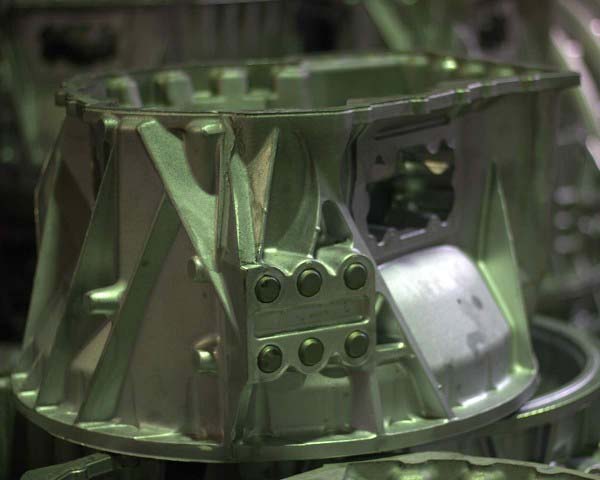
While diverse industries remain to seek innovative products for manufacturing, aluminum casting has shown to be a flexible option across fields such as vehicle and aerospace. In the automotive market, aluminum castings add to lightweight lorry styles, enhancing gas efficiency and performance. Parts like engine blocks, transmission housings, and wheels gain from aluminum's strength-to-weight proportion.
In aerospace, aluminum casting plays a substantial function in generating complex components that require high toughness and low weight. Aircraft elements such as brackets, touchdown gear, and architectural structures use aluminum for their website peak performance and safety and security.
The flexibility of aluminum casting enables it to cater to various other industries, consisting of consumer electronics, aquatic, and commercial equipment. This flexibility not just fulfills the specific demands of different applications yet additionally supports ongoing advancement in making procedures. As a result, aluminum casting remains a principal in contemporary production throughout various sectors.
Frequently Asked Concerns
How Does Aluminum Casting Compare to Various Other Steel Casting Processes?
Aluminum casting offers superior strength-to-weight ratios, faster air conditioning rates, and exceptional rust resistance contrasted to various other steel casting processes. These advantages make it excellent for numerous applications, enhancing effectiveness and performance in production.
What Are the Typical Lead Times for Aluminum Casting Projects?
Common preparation for aluminum casting projects vary from 2 to eight weeks, relying on variables such as complexity, order dimension, and manufacturing capacity. Effective preparation can assist lessen delays and enhance job timelines.
Can Aluminum Casting Be Utilized for Intricate Styles?
Aluminum casting can undoubtedly fit elaborate designs. Aluminum Foundry. Its fluidness permits in-depth patterns and shapes, making it suitable for intricate elements in various sectors. This convenience boosts style freedom while keeping architectural integrity and performance
What Post-Processing Options Are Available After Aluminum Casting?
Post-processing alternatives for aluminum casting include machining, brightening, surface area treatments, anodizing, and welding. These strategies improve the coating, enhance dimensional accuracy, and boost corrosion resistance, therefore enhancing the final item's performance and aesthetic allure.
Exactly How Do Temperature Changes Affect Aluminum Casting Quality?
Temperature level adjustments greatly influence aluminum casting top quality by impacting fluidity, solidification rates, and possible defects. Fast cooling can cause increased brittleness, while extreme heat may create warping or insufficient filling of molds during casting.
Aluminum casting has actually emerged as a crucial process in contemporary production. As producers accept the capacities of aluminum casting, they discover brand-new methods for precision and complexity in layout. Aluminum casting processes typically produce less greenhouse gas emissions compared to various other steel casting methods. While varied sectors continue to look for ingenious materials for production, aluminum casting has proven to be a functional service across markets such that site as vehicle and aerospace. In the automobile sector, aluminum spreadings contribute to light-weight vehicle layouts, improving gas efficiency and performance.
Comments on “Common Errors to Avoid When Working with Precision aluminum casting”